

Sustainable Design & Energy Solutions
"We have a simple approach to sustainable design and remodels: we go after the simple and cost-effective low hanging fruit first, and then look at the smaller details of each project. Every project is different."
“With simple design decisions, you can reduce the average energy consumption in a house by 30%-50% without installing the first piece of equipment. This is why working with an architect today makes sense.”
A building is a 50-year financial instrument. We treat sustainability not as a compliance exercise but as the primary driver of long-term return: optimized mechanical systems, rigorous envelope physics, and design decisions that cut energy consumption 30 to 50 percent before the first piece of equipment is specified. Decarbonization and operational efficiency are not add-ons to our work; they are how the asset holds its value.
That conviction has deep roots. Jeff Seabold was the first architect in Mississippi to earn the LEED AP Homes designation, a founding board member and two-time Chair of the Mississippi Chapter of the U.S. Green Building Council, the state’s LEED for Homes Advocate for five years, and Chair-Elect of USGBC’s Southeast Regional Council. During his tenure, Mississippi saw the largest concentration of LEED Silver-or-higher homes in the world built in a single neighborhood, and he later helped lead the consolidation of more than 80 USGBC chapters into a unified national model. That work earned a Presidential Volunteer Service Award. The Stack House, featured below, became Jackson’s first LEED Gold home.
Featured Projects
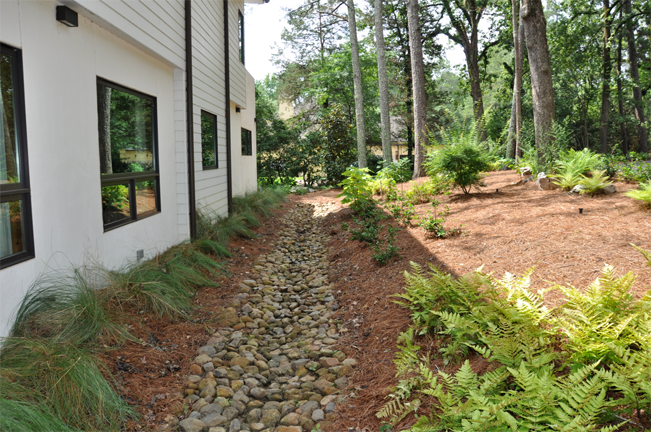
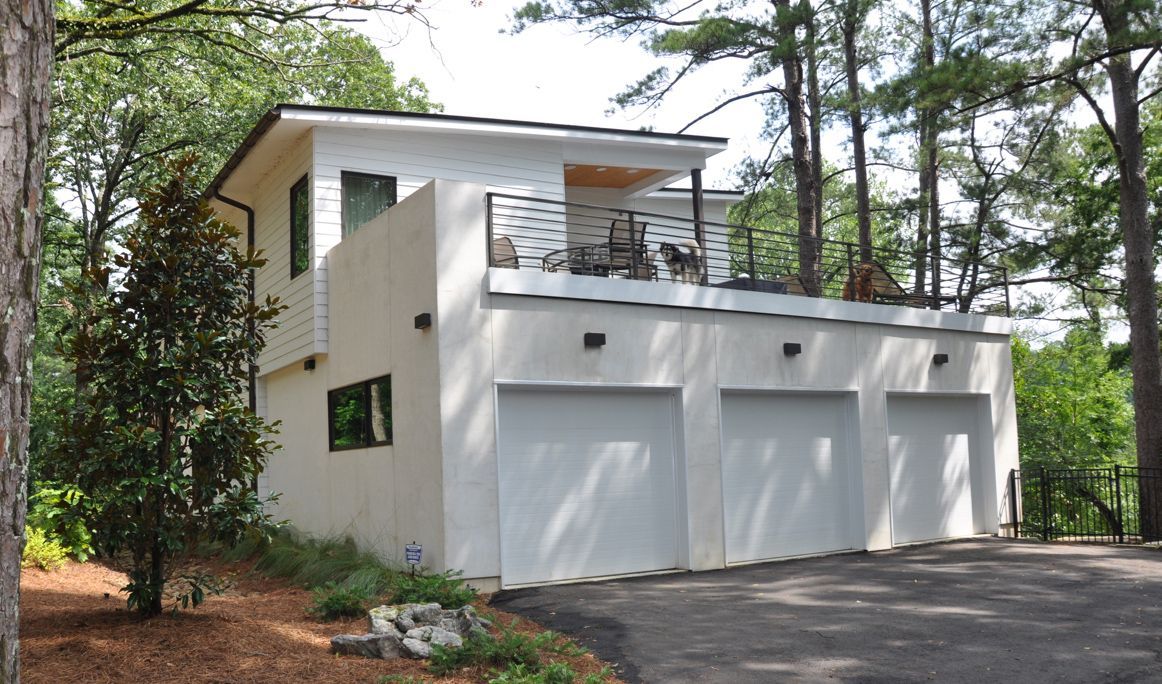
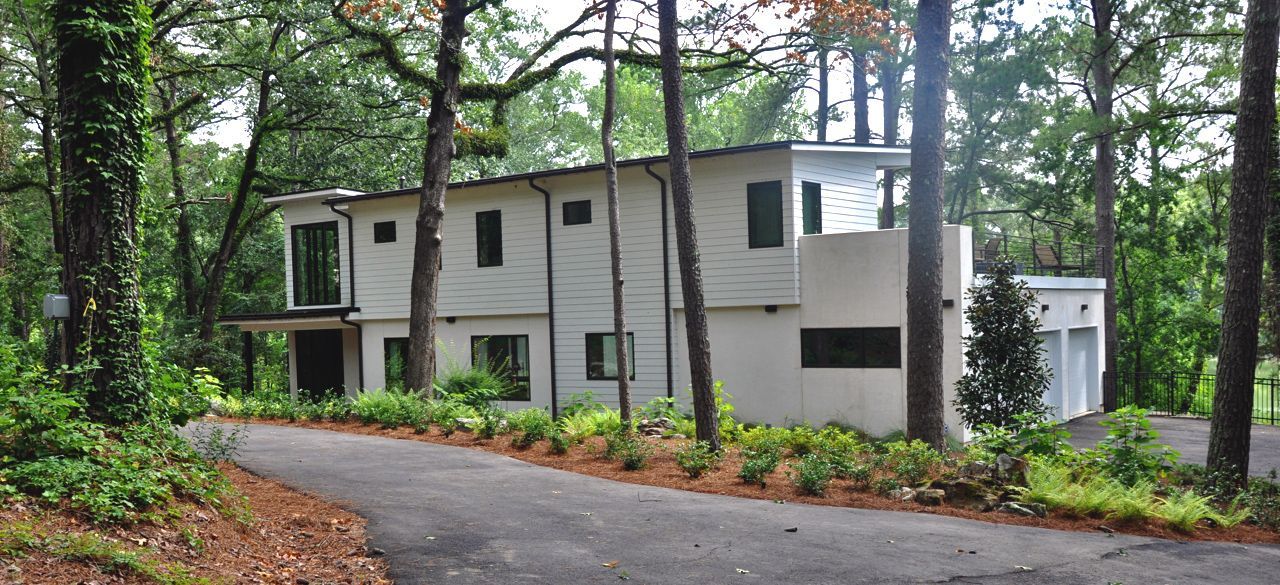
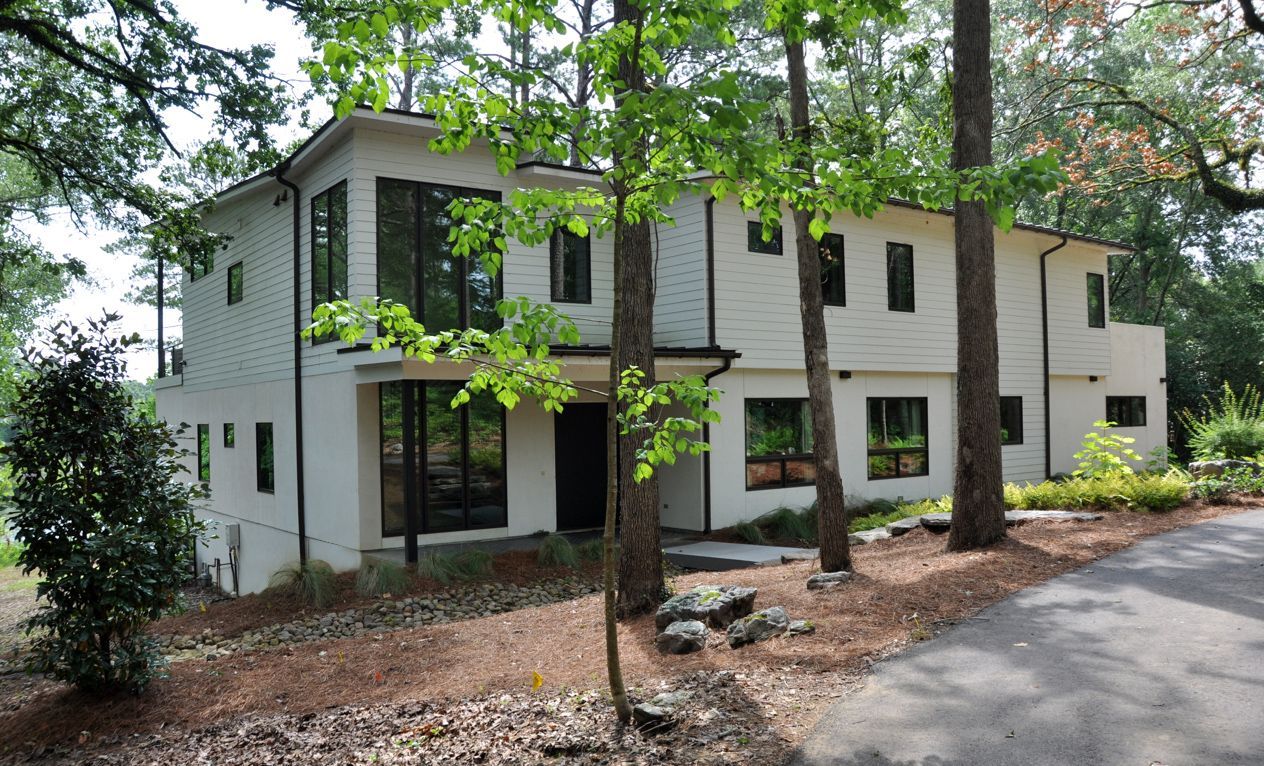
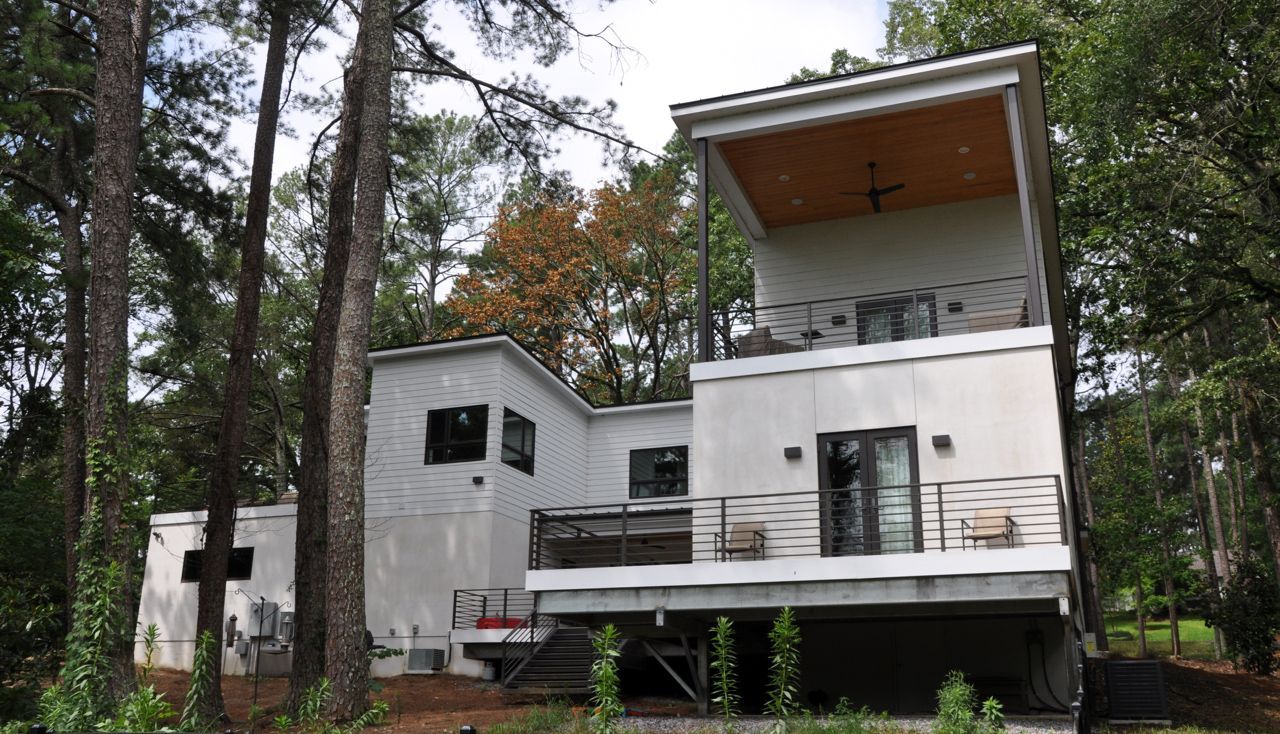
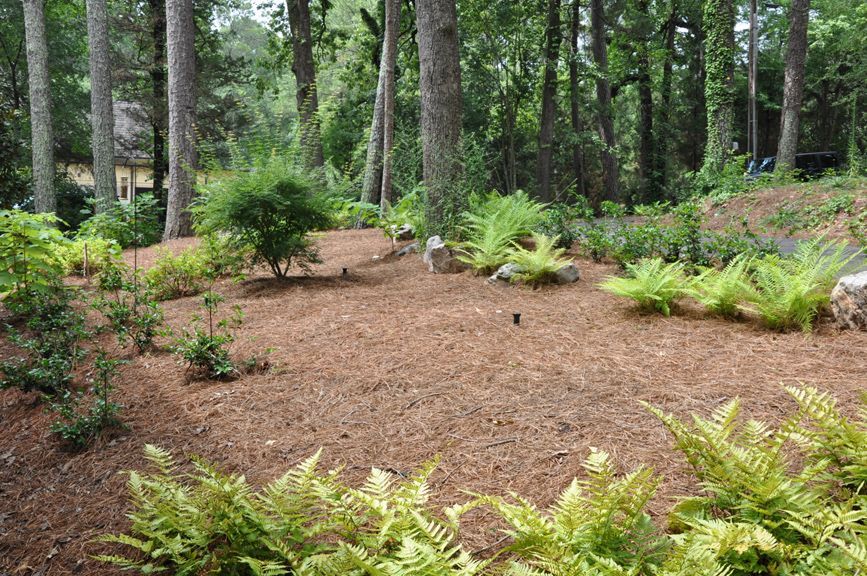
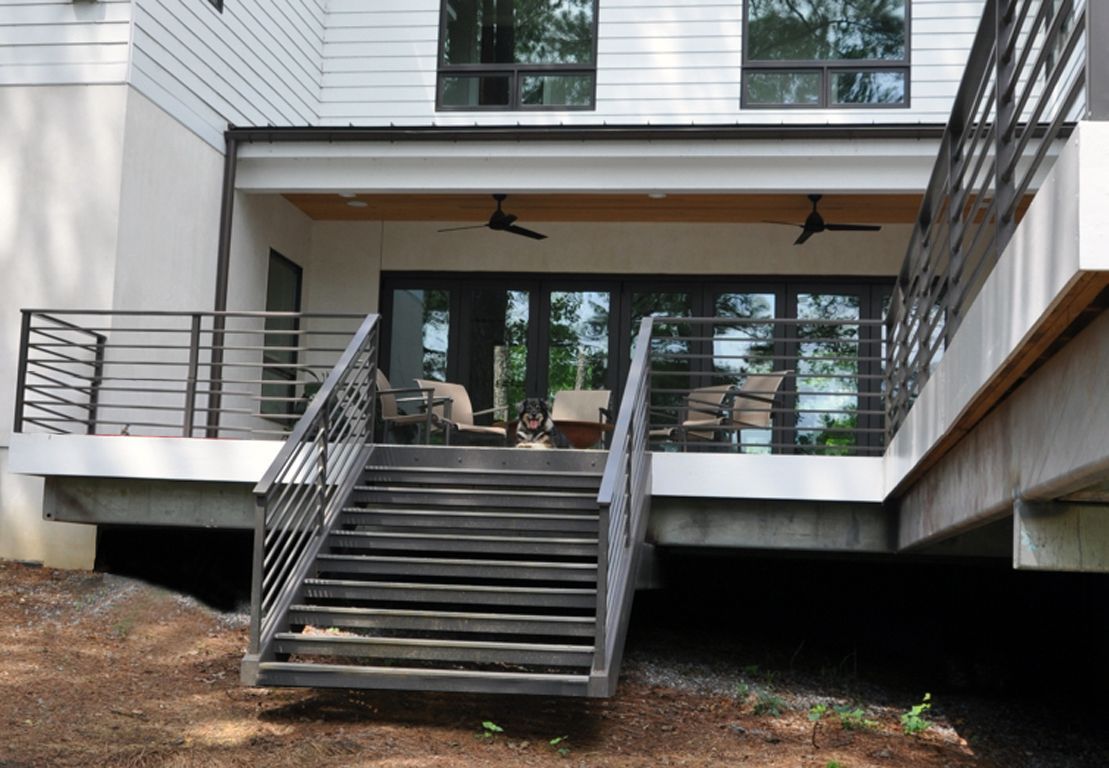
LEED Gold New Construction
The Stack House
This new construction home was guided by principles of sustainability and modernity.
This project is certified LEED® Gold.
LEED is the preeminent program for the design, construction, maintenance and operations of high-performance green buildings.
It was very important to the owners that this dwelling be resource efficient, positively influence the health and wellness of the family, and maintain low operating costs. The owner’s project requirements fit within the goals and requirements of the LEED for Homes Rating system. Our basis of design was to establish a contemporary dwelling that heavily focused on sustainable site and efficient irrigation, energy use reduction, thermal comfort, sustainable material selection, and passive systems.